from Braintied
November 2026
Cortex
What we are learning while we build with AI, written for builders, artists and the curious.
Every article

Data Privacy in the Digital Age: Your AI Stack Is Now the Data Controller
GDPR fines have passed €5 billion, but the real exposure is architectural: shared vector indexes, multi-agent delegation, and MCP tool servers move personal data through systems no privacy program was built to audit. Here is how to enforce data privacy at request time instead of in a PDF.

Data Privacy in the Agentic Era: Why GDPR Compliance Is Now an Architecture Problem
GDPR fines have passed €5 billion, and the EU AI Act now gives regulators a second instrument aimed at high-risk systems. The real risk sits in places most privacy programs never mapped: vector indexes, agent handoffs, and MCP tool calls. Here is the architecture that keeps data privacy and compliance enforceable in production.

Enterprise AI in Q4 2026: Multi-Agent Systems, RAG, and MCP Are Now the Default Stack
Enterprise AI in Q4 2026 has consolidated around three ideas: multi-agent orchestration, retrieval quality, and MCP as the standard integration layer. Here is the architecture, the token economics, and the six-week plan teams are using to get past risk review and into production.

Data Privacy in the Digital Age: Why GDPR Breaks at the Inference Layer
GDPR was written for databases, but your data privacy risk now lives in context windows, vector stores, and agent-to-agent calls. Here is why RAG and multi-agent systems break data minimization, and the five controls that make compliance mechanically possible.

The Multi-Agent Enterprise: How AI Systems Are Replacing Single Models
Enterprise AI has quietly moved past model selection. Multi-agent architectures, hybrid RAG pipelines, and Model Context Protocol adoption now decide whether AI programs deliver measurable returns or stall in pilot purgatory. Here is what the data from Q4 2026 deployments actually shows, and the five moves that separate compounding systems from expensive experiments.
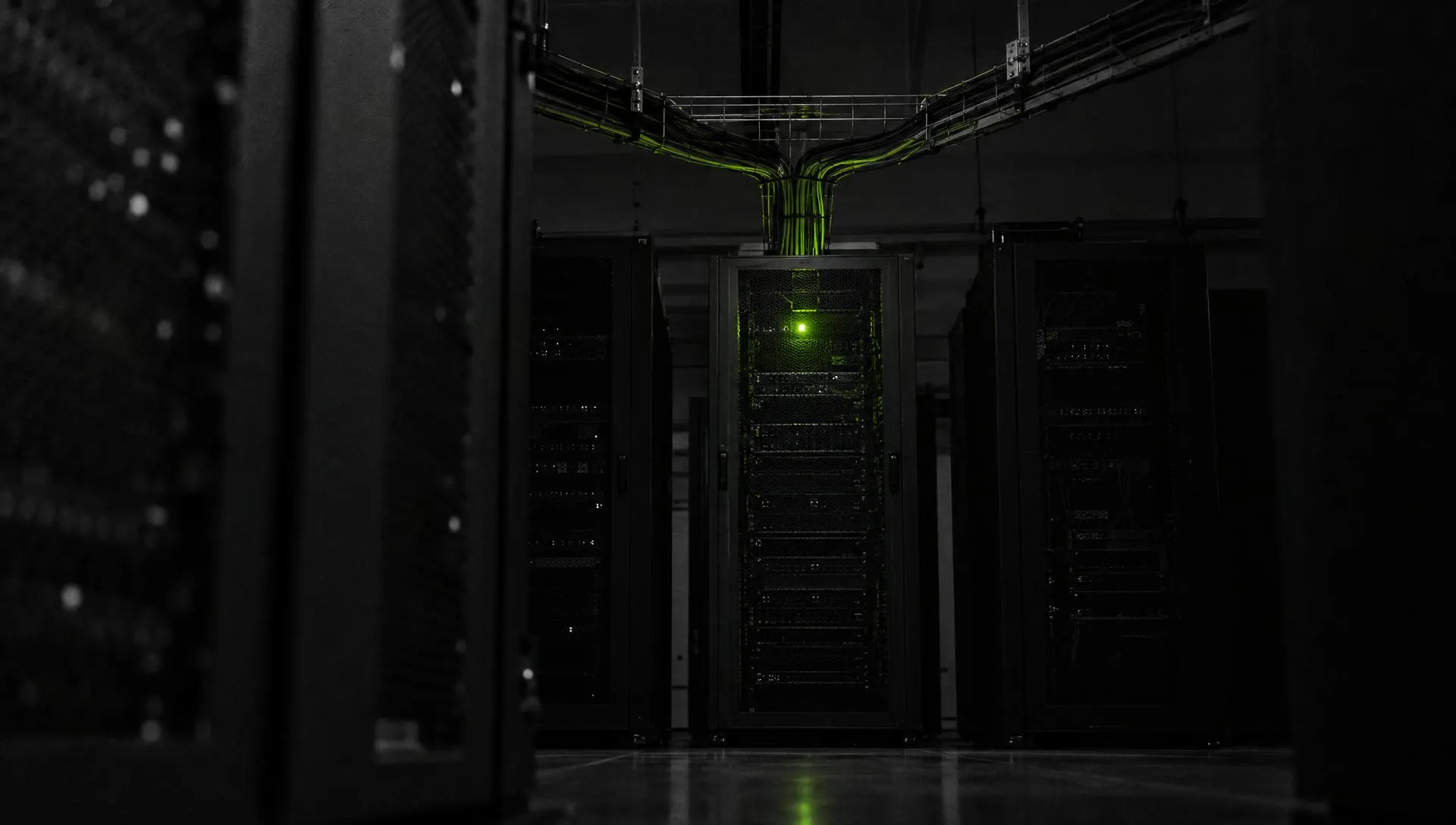
The Enterprise AI Stack Is Splitting in Three: Multi-Agent Systems, RAG, and MCP
Enterprise AI is no longer a model-selection problem. Multi-agent systems, RAG architectures, and the Model Context Protocol have split the stack into five layers, and four of them are yours to build. Here is what that means for your roadmap, your budget, and the metrics that actually matter.

Data Privacy in the Digital Age: Your GDPR Perimeter Cannot Survive the Agent Layer
GDPR fines have topped €5 billion, yet the violations that matter now happen inside AI systems no regulator anticipated. This analysis breaks down why multi-agent architectures, RAG retrieval, and MCP tool calls turn data privacy from a boundary you defend into a data flow you must govern at every hop. Here is what engineering teams should build before their next agent ships.

Data Privacy in the Digital Age: Why GDPR Compliance Won't Survive Multi-Agent AI
GDPR fines have passed €5 billion, yet most enterprises still cannot map where personal data flows inside their own AI stack. As RAG pipelines and multi-agent systems become standard, data privacy has shifted from a legal exercise into an architecture property. Here is where your compliance program breaks, and the five engineering controls that hold it together.

For 72 Hours, AI Finally Worked
Claude Fable 5 was the first model good enough to do real work instead of almost-work. The public had it for three days before the government recalled it. A field report on the moment AI crossed the line, and why staying on the right side of it is about price and permission, not raw intelligence.

The Multi-Agent Revolution: How Enterprise AI Is Finally Moving Beyond Single-Model Systems
Enterprise AI is shifting from single-model systems to sophisticated multi-agent architectures. In Q1 2026, the architectural patterns and integration standards defining the next era of AI are crystallizing -and organizations still operating on legacy approaches are falling behind.

The Practical Guide to Building Your First AI-Powered Feature
You don't need a PhD to ship AI features. Here's a practical, step-by-step guide for developers ready to add intelligence to their products.

Building in Public with AI: What Indie Makers Are Getting Right
Solo developers are shipping AI-powered products faster than ever. Here's what the best indie makers are doing differently - and how the economics make it possible.
Written by a studio that ships with AI every day.
Braintied names, designs, builds and launches companies with founders, and runs its own products on the same engine. Cortex is where we write down what that work teaches us, while it is still fresh.